Energy & Power Systems

Cutting through
the noise to find
what your system
actually needs.

Independent advisory on renewable energy, backup power, and optimisation. Backed by engineering analysis and honest advice, not sales incentives.

The Value of Independence

Advice You Can Trust

The energy systems market, particularly on the residential and small commercial side, is full of suppliers who are genuinely knowledgeable but commercially motivated. The advice you get from a supplier is not the same as the advice you'd get from an independent engineer whose only interest is in helping you make the right decision.

My advisory is grounded in detailed analysis of how you actually use energy, what your system genuinely needs to do, and what the realistic trade-offs are between cost, capacity, and long-term return. I use self-developed simulation tools to model system performance against real usage profiles, not industry averages or optimistic scenarios.

Beyond the residential and small commercial space, my background includes extensive work on backup power infrastructure at significant scale. Standby generation, uninterruptible power supply systems, power quality management, and the kind of electrical infrastructure that keeps critical facilities running continuously.

"Before you sign any quote or commit to any system, talk to an independent engineer first. It costs far less than the alternative."
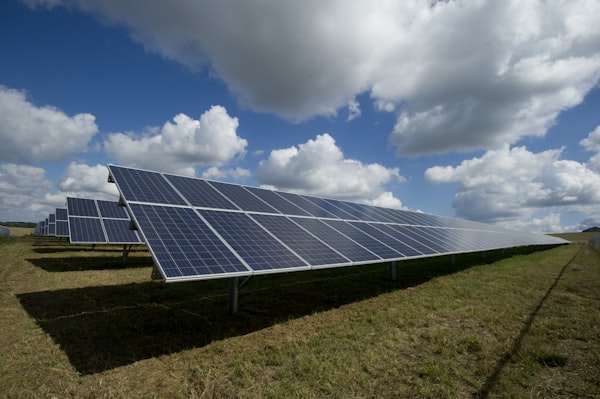
Solar PV installation
What I Work WithPhotovoltaic systems · Inverter and battery technology · Backup generation · Load management and scheduling · System monitoring and integration · Power quality and optimisation
Power
Solar PV
Storage
Backup Gen
Load Studies
The Process

How It Works

Good energy advisory starts with honest analysis, not a product recommendation.

Understanding Your Usage. Before anything else, I want to understand how you actually use energy, not how you think you use it. A detailed load study maps your consumption patterns over time, identifies the appliances and systems that drive your peak demand, and establishes a realistic baseline for system sizing.

Simulating Your Options. Once I understand your usage profile, I can model how different system configurations would perform against it: realistic projections of battery state-of-charge through a typical day, and identifying the configurations that deliver the best long-term return relative to upfront cost.

Evaluating Proposals. Armed with accurate analysis, evaluating supplier quotes becomes a very different exercise. I can help you understand whether a proposed system is correctly sized for your needs, whether the components are appropriate, and whether the pricing is reasonable relative to the market.

Optimising Existing Systems. If you have a system that isn't performing to expectations, I can diagnose the issue: whether it is a configuration problem, a usage behaviour mismatch, a component fault, or a system design issue, and recommend practical remediation steps.

AI-Powered Solar Monitoring

Is Your Solar System Performing As It Should?

Not performing badly. Performing as the weather, the equipment, and the investment should allow.

Most PV solar and battery backup systems are installed and forgotten. The inverter dashboard shows numbers. The numbers do not tell you whether those numbers are good. PV output degrades slowly, battery capacity fades, usage patterns drift against system design. By the time something is obviously wrong, value has already been lost.

Sinclair Dynamics has developed a purpose-built AI monitoring platform for PV solar and battery backup systems. It connects to your solar inverter via cloud API, pulls live operational data: PV output, battery state of charge, grid interaction, and system state. and cross-references that data against real weather conditions including solar irradiance and cloud cover.

That weather-corrected analysis is the core differentiator. It tells you whether your system is underperforming because of the weather, or despite it. There is a significant difference between those two answers, and most inverter dashboards cannot tell you which one applies.

The AI observations engine then reasons across that data and produces plain-language insight specific to PV and battery behaviour: panels producing less than the irradiance should support, batteries not reaching full charge as frequently as they used to, grid import happening when solar and battery should be covering load, usage patterns working against system design. The kinds of observations an experienced solar engineer would make on site, delivered continuously and automatically.

What the Platform Monitors PV output vs real irradiance conditions. Battery state of charge and state of health trends. Grid import and export patterns. System state and operational flags. Weather-corrected performance deviation. Usage patterns relative to system design.
How It Connects Currently integrated with Victron VRM. The architecture is designed to connect to any solar inverter platform that exposes cloud data via API, making it adaptable as the market and client base evolves.

For Solar System Owners

You invested in solar and battery backup to reduce grid dependence and protect against outages. The platform tells you whether that investment is delivering what it should, flagging the specific issues when it is not. No engineer visit required. No guesswork from inverter graphs.

For Portfolio Operators

Performance accountability across multiple solar installations without an engineer visiting each site. Systems measured not against yesterday's output, but against what the weather and the equipment should be delivering — at every site, continuously.

Interested in what your solar system is actually doing?

View System Monitor Request a Demo
Get Started

Know What You Actually Need

An independent engineering review before you commit to any energy system investment is one of the most cost-effective decisions you can make.

Book a Consultation